
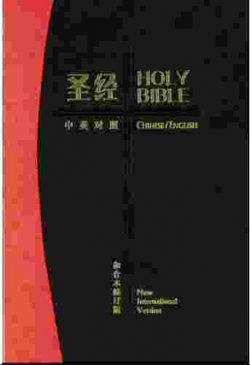
Revised Chinese Union Version 和合本修訂版 和合本修订版, Simplified Chinese 简体版 (RCUVs)
修訂緣由
「聖經都是上帝所默示的,於教訓、督責、使人歸正、教導人學義都是有益的,叫屬上帝的人得以完全,預備行各樣的善事。」
提摩太後書3:16-17
為了讓華人也有一本他們能讀得明白的中文聖經,在一百多年前,多位西教士離鄉別井,遠赴重洋,來到中國,克服語言的限制、文化的差異,把聖經翻譯成中文。「和合本」聖經終於在一九一九年面世,讓中國億萬同胞認識真道,靈命得以建立。
廣泛諮詢
「和合本」聖經自面世以來,一直是廣為普世華人教會使用的「標準譯本」,輔助華人教會在這八十多年的歲月中成長。隨着時代的轉變,中文出現很大的變化,一些在當代十分順暢的字詞和語句,今天已鮮為人知,有些詞語的含義也改變了。因此,為了讓這一代華人更清楚、更容易地明白上帝的話語,聯合聖經公會於一九八三年先後在香港及新加坡等地,舉行有關修訂「和合本」的研討會,教會領袖普遍認同有需要對「和合本」作出修訂,於是我們組織一隊聖經學者、翻譯顧問及編輯人員,開始從事修訂的工作。
經過多年努力,我們於二零零零年完成了新約初稿,並出版了《四福音書》和《羅馬書》試用本。同年九月,聯合聖經公會再次在香港召開會議,議決由香港聖經公會全權統籌初稿試用後的修訂工作,並從中國、馬來西亞、新加坡、香港等地邀請多位聖經學者、翻譯顧問和編輯人員,參與「和合本」最後的修訂及審閱工作。中國基督教兩會不但在一九九零年派同工參與此項聖工,並於二零零三年正式來函表達支持,務求「和合本」修訂版出版後,能為普世華人教會所樂用。
為了使修訂工作精益求精,我們於二零零一年九月在香港,以及二零零二年一月在新加坡和馬來西亞舉行「和合本」修訂版顧問座談會。我們更於二零零四年十二月,特別為「和合本」最後的修訂事工舉行了一次大型的交流會,應邀赴會的海內外百多位華人學者及教牧同道均表達「和合本」修訂版應盡量採用各地華人都能明白的文句與詞彙。這是一個很寶貴的共識,亦符合我們修訂的原則。
嚴謹修訂
在長達二十多年的修訂過程中,同工們祈求聖靈的帶領,並帶着戰戰兢兢的心,對每一個句子、詞彙、字眼,都嚴謹地對照原文,也參考各種譯本,仔細推敲,反復琢磨,力求完善。
我們所依據的新約原文聖經是聯合聖經公會於一九九三年出版的希臘文聖經(第四版),其中匯集了聖經及考古學學者們許多年來對聖經抄本的考證、校勘等方面的研究成果,是目前全球最為可信的文本。此外,我們在修訂的過程中,也參閱了近幾十年來各國聖經學者的學術文獻,使我們對原文聖經的理解更加準確。
除了忠於原文外,我們還考慮到文字的曉暢,對較古僻、容易產生歧義和不符合今天人們表達習慣的字、詞、句都作出適當的修改;同時,我們也力求保持「和合本」原來的風格,只在有需要修改時才作出修改。
感謝主的保守
在上帝的帶領下,經過多年的耕耘,《和合本修訂版》經已面世。深盼各位兄姊不吝指正,讓這修訂版更趨盡善盡美。在此,我們除了感謝眾多主內同工和顧問們歷年來的委身與辛勞,以及各位弟兄姊妹的代禱和支持外,更要感謝那位一直引導我們的上帝,惟有靠賴他的恩典,才能完成這項他所託付我們的工作。
最後,我們謹以摯誠獻上這本聖經,求上帝使用,叫更多的人認識他,歸向他,並且「得以完全,預備行各樣的善事」。
願一切榮耀歸於上帝和他的愛子耶穌基督!
詳細介紹
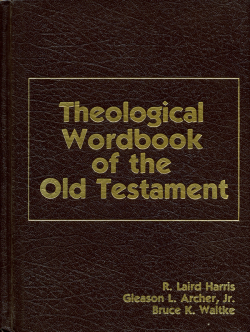
Theological Wordbook of the Old Testament (TWOT)
This extensive, scholarly work includes discussions of every Hebrew word of theological significance in the Old Testament, plus brief definitions of all other words found in Brown, Driver and Briggs Hebrew Lexicon. Keyed to Strong’s Concordance, the Theological Wordbook of the Old Testament (TWOT) has been a longtime favorite of serious students of the Bible -pastors and laypeople alike. The busy pastor or earnest Christian worker who has neither the time nor the background for detailed technical study yet desires to understand important terms will enjoy this practical resource.
There are more than 1,400 articles written by 43 Old Testament scholars, plus some 400 sub-entries giving definitions only. The articles focus on theological meanings and importance and do not include lengthy, technical linguistic discussions. Virtually exhaustive bibliographies of published material relating to the words discussed are also included, in addition to a special section of Aramaic words used in the Old Testament.
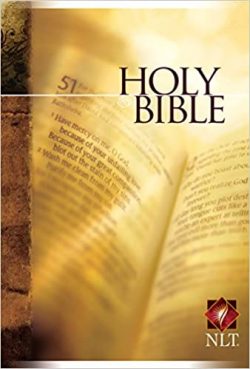
New Living Translation®, Second Edition (NLT)
The Holy Bible, New Living Translation provides a wonderful balance of readability and authority. It is easy to understand, poetically beautiful, powerful, and emotive. At the same time, due to the careful work of ninety leading Bible scholars, it is accurate to the original Greek and Hebrew text. The New Living Translation makes the Bible accessible, useful, and enjoyable for every situation. The easy-to-read, clear text is perfect for comparative study of difficult passages.
Nueva Biblia De Las Américas (NBLA)
Español:
La Nueva Biblia de las Américas (NBLA) previamente conocido como Nueva Biblia Latinoamericana de Hoy (NBLH)).
Esta edición se presenta como otra contribución a la traducción de las Sagradas Escrituras en nuestro lenguaje, y se han usado palabras y frases contemporáneas para facilitar la lectura. El pronombre «ustedes», con sus verbos correspondientes, se usa en lugar de «vosotros». El pronombre formal «usted» se ha usado en aquellas ocasiones en que una persona se dirige a otra superior.
English:
La Nueva Biblia de las Américas (NBLA) (formerly known as Nueva Biblia Latinoamericana de Hoy (NBLH)).
This edition is presented as another contribution to the translation of the Holy Scriptures into the Spanish language, and contemporary words and phrases have been used to facilitate reading. The pronoun “ustedes”, with its corresponding verbs, is used instead of “vosotros”. The formal pronoun “usted” has been used on those occasions when a person addresses a superior.
La Biblia de las Americas (LBLA)
LA BIBLIA DE LAS AMERICAS es una traducción fiel de las Sagradas Escrituras según fueron escritas originalmente en hebreo, arameo y griego. Se ha producido con el propósito de ofrecer al mundo de habla hispana la riqueza y el poder de la Palabra de Dios en forma tal que sea un verdadero tesoro devocional y un instrumento práctico de estudio.
Esta versíon es producto de la intensa labor y dedicación de un considerable número de eruditos de distintas denominaciones cristianas, representantes de varios países de Hispanoamérica, de España y de los Estados Unidos. Se publica con la firme convicción de que las Sagradas Escrituras, según fueron escritas en los idiomas originales, fueron inspiradas por Dios, y puesto que son su eterna Palabra, hablan con renovado poder a cada generación para impartir la sabiduría que lleva a la salvación en Cristo, equipando al creyente para disfrutar de una vida abundante y feliz en la tierra, y constituyéndolo en testimonio viviente de la verdad para la gloria eterna de Dios.
El Comité Editorial ha observado dos principios básicos: En primer lugar, ha tratado de ceñirse en todo lo posible a los idiomas originales de las Sagradas Escrituras, y en segundo lugar, ha observado las reglas de la gramática moderna en una dimensión continental contemporánea, usando un estilo ágil y ameno, procurando mantener la mayor belleza literaria.
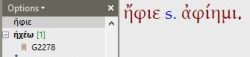
Bible Dictionary of Ancient Greek (BDAG) A Greek-English Lexicon of the New Testament
22% off Lowest price possible is $175. (Publisher requirement)
Now includes Strong’s numbers in topic tree! It will now work with your Strong’s number resources NASB, NET2, etc.
Described as an “invaluable reference work” (Classical Philology) and “a tool indispensable for the study of early Christian literature” (Religious Studies Review) in its previous edition, this new updated edition takes Walter Bauer’s Wörterbuch zu den Schriften des Neuen Testaments even further. This work includes Greek definitions for works of all periods of Greek, and has more than 25,000 additional references to classical, intertestamental, Early Christian, and modern literature.
In this edition, Frederick W. Danker’s broad knowledge of Greco-Roman literature, as well as papyri and epigraphs, provides a more panoramic view of the world of Jesus and the New Testament. Danker has also introduced a more consistent mode of reference citation, and has provided a composite list of abbreviations to facilitate easy access to this wealth of information.
Perhaps the single most important lexical innovation of Danker’s edition is its inclusion of extended definitions for Greek terms. For instance, a key meaning of “episkopos” was defined in the second American edition as overseer; Danker defines it as “one who has the responsibility of safeguarding or seeing to it that something is done in the correct way, guardian.” Such extended definitions give a fuller sense of the word in question, which will help avoid both anachronisms and confusion among users of the lexicon who may not be native speakers of English.
Danker’s edition of Bauer’s Wörterbuch is an indispensable tool for New Testament exegete.
theWord Features:
- Verse popups
- Abbreviation popups
- Fully searchable text
- Easy navigation of topics via topics tree display.
- Greek Lemmas
- Strong’s Numbers in topic tree
- Special Text Colors
- Normal: Text
- Hyperlink: New Docs | Hb 9:4
- Greek: σωμάτων
- Hebrew: מִשְׁפָּט
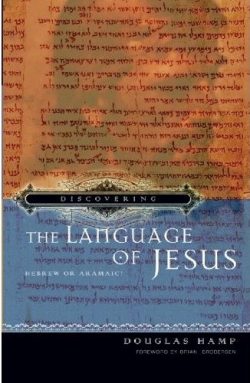
Discovering the Language of Jesus
Discovering the Language of Jesus: Hebrew or Aramaic? For the last 150 years, both popular and academic views have asserted that Jesus spoke Aramaic as his primary language of communication since supposedly Hebrew died out after the children of Israel were taken into Babylonian captivity. This view, however, is not based on the testimony of the Old Testament, the New Testament, historical sources, or Jesus’ actual words. Just which language did Jesus and his disciples speak?
Pastor and teacher Douglas Hamp takes you on a journey through history, Scripture and linguistics to solve the puzzle. By Discovering the Language of Jesus, you will gain a deeper understanding of Jesus’ words and culture and will be fully convinced that every detail in God’s Word is accurate, reliable and worthy of your trust.

theWord toGo USB/USB-C Flash Drive
Note: This is a USB/USB-C 16gb drive.
All your Personal Notes and Bible Library within a tiny USB flash drive!
Just plug it in any Windows PC and theWord toGo is ready to run, leaving no traces behind.
theWord toGo is a USB flash drive that is pre-loaded with theWord Bible Software and is ready to start as soon as you insert the USB flash drive in a USB port of a PC running Microsoft Windows! No installation is required whatsoever.
theWord toGo comes preloaded with over 200 Bibles and books!
theWord toGo is the perfect way to show your appreciation for theWord Bible Software!
Part of the price you pay is given to support the continuous development of theWord Bible Software. Although the nominal price of theWord toGo USB flash drive is $40, you may choose to add a Gift Option. This does not entitle you to something more than the standard USB flash drive; but the extra price you pay is used to support theWord Bible Software.
New International Version 2011 (NIV)
Getting the words right means being true to the original Greek, Hebrew, and Aramaic of the Bible. But it also means being true to the reader — capturing the Bible’s original meaning in natural, everyday English.
That’s what sets the NIV Bible apart. It doesn’t sacrifice precision for clarity or the other way around. It delivers both, all in a Bible translation you’ll love to read.
THE NIV IS…
ACCURATE
The NIV translators are united by their conviction that the Bible is God’s inspired Word. That, along with their years of studying biblical languages, helps them to capture subtle nuances and the depth of meaning in the Bible. (More)
CLEAR
If the first recipients understood God’s Word when they heard it, so should you. That’s the driving force behind the NIV’s commitment to clarity. The Bible should be every bit as clear to you as it was to its original audience. (More)
BEAUTIFUL
Bible reading isn’t just a solo exercise; it’s meant to be a shared experience. That’s why the NIV translators prioritize literary beauty, resulting in a Bible translation that’s suitable for public reading and use in churches. (More)
TRUSTWORTHY
The NIV is translated by an independent, self-governing team of Bible scholars. No publisher, commercial or otherwise (not even us!), can tell them how to translate God’s Word. The translators come from dozens of denominations and churches, and they can only make changes to the text if 70% of the committee agrees — safeguarding against theological bias. (More)
There are plenty of things to wrestle with in the Bible.
Your translation shouldn’t be one of them.
(taken from https://www.biblica.com/bible/niv-bible/)
The New King James Bible (NKJV)
The New King James Version is a total update of the 1611 King James Version, also known as the “Authorized Version.” Every attempt has been made to maintain the beauty of the original version while updating the English grammar to contemporary style and usage. The result is much better “readability.” It is noteworthy that the NKJV is one of the few modern translations still based on the “Western” or “Byzantine” manuscript tradition. This makes the New King James Version an invaluable aid to comparative English Bible study.
Commissioned in 1975 by Thomas Nelson Publishers, 130 respected Bible scholars, church leaders, and lay Christians worked for seven years to create a completely modern edition of the King James Version that would continue the classic tradition of the original King James. With unyielding faithfulness to the original Greek, Hebrew, and Aramaic texts, the translators applied the most recent research in archaeology, linguistics, and textual studies. The resulting work provides today’s Bible reader with an accurate and modern translation of the Scriptures with the stylistic beauty and memorable quality of the King James.
New American Standard Bible Bundle (NASB77, NASB95, LBLA, NBLA)
This bundle includes the following modules:
- New American Standard Bible 1995 Update with Strong’s numbers – NASB
- New American Standard Bible 1977 edition (also available as a separate add-on) – NASB77
- La Biblia de las Americas – LBLA
- Nueve Biblia de las Américas – NBLA
Includes: NASB, NASB 1977, LBLA, NBLA, 17,000 translator’s notes, 93,000 cross-references, NASEC (Exhaustive Hebrew-Aramaic and Greek concordance).
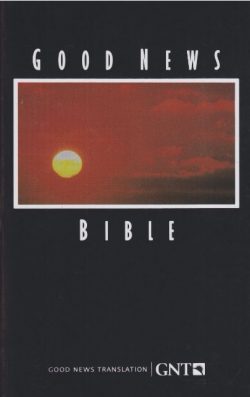
Good News Translation in Today’s English Version with Apocrypha (GNT)
The GNT (also known as Today’s English Version or Good News Bible) was one of the first meaning-based (or functional equivalent) translations of the Bible into English. It was originally published in 1976, then it was revised in 1992. The GNT presents the message of the Bible in a level of English that is common to most of the English-speaking world. The GNT is still used widely in youth Bible study groups and in less formal worship services.
A very contemporary translation that is designed to be easy to read for those who are not familiar with the Bible. Also known as the Good News Bible, this translation of the Bible follows a dynamic equivalence theory of translation. Published in 1966, revised in 1992.
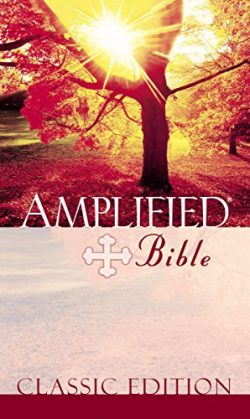
Amplified Bible, Classic Edition (AMPC)
This is a digital Bible for theWord Bible Software
The first complete Bible produced by The Lockman Foundation was the Amplified Bible. The Amplified Bible is a translation that, by using synonyms and definitions, both explains and expands the meaning of words in the text by placing amplification in parentheses and brackets and after keywords or phrases. This unique system of translation allows the reader to more completely grasp the meaning of the words as they were understood in the original languages. Through multiple expressions, fuller and more revealing appreciation is given to the divine message as the original text legitimately permits.
The Amplified Bible is free of personal interpretation and is independent of denominational prejudice. It is a translation from the accepted Hebrew, Aramaic, and Greek manuscripts into literary English. It is based on the American Standard Version of 1901, Rudolph Kittel’s Biblia Hebraica, the Greek text of Westcott and Hort, and the 23rd edition of the Nestle Greek New Testament as well as the best Hebrew and Greek lexicons available at the time. Cognate languages, the Dead Sea Scrolls, and other Greek works were also consulted. The Septuagint and other versions were compared for interpretation of textual differences. In completing the Amplified Bible, translators made a determined effort to keep, as far as possible, the familiar wording of the earlier versions, and especially the feeling of the ancient Book.
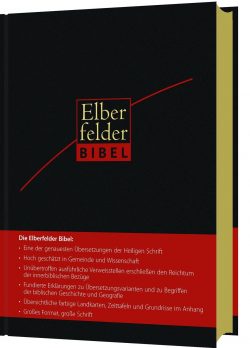
Elberfelder Bibel 2006 R. Brockhaus Verlag Wuppertal
Es ist die erneut durchgesehene Ausgabe der revidierten Elberfelder Bibel unter Berücksichtigung der neuen Rechtschreibung.
Der SCM R.Brockhaus Verlag wirbt für diese Bibelübersetzung mit den folgenden Worten:
„Die Elberfelder Bibel gehört zu den führenden deutschen Bibelübersetzungen“.
Der Name geht auf Elberfeld zurück, den heutigen Stadtteil Wuppertals, wo ein großer Teil der Übersetzungsarbeit geleistet wurde.
Ziel dieser Arbeit ist es, eine Übersetzung der ältesten Handschriften der biblischen Schriften vorzulegen, die möglichst unverfälscht deren Aussagegehalte wiedergibt und dabei möglichst wenig theologische Interpretation von außen an die Schriften heranträgt.
In ihrem Vorwort schreiben der R. Brockhaus Verlag Wuppertal und die Christliche Verlagsgesellschaft mbH Dillenburg:
„Wir wünschen uns, dass die Elberfelder Bibel 2006 allen Lesern zum Segen wird und dass sie weiterhin wichtige Impulse für das geistliche Leben der Christen im deutschsprachigen Raum liefern kann.“
Elberfelder Übersetzung Edition (CSV)
Die vorliegende Bibelausgabe geht zurück auf die so genannte „Elberfelder Übersetzung“, die erstmals in den Jahren 1855 bis 1871 erschien und mit dem Ziel erstellt wurde, unter Berücksichtigung der damals vorhandenen wissenschaftlichen Ausgaben des hebräischen und griechischen Grundtextes eine möglichst wortgetreue Übersetzung des Grundtextes zu bieten.
Durch Gottes Gnade kann jetzt eine Neubearbeitung dieser Übersetzung erscheinen. Dazu wurden unter anderem die heutigen wissenschaftlichen Grundtext-Ausgaben des Alten und Neuen Testaments herangezogen (K. Elliger und W. Rudolph: Biblia Hebraica Stuttgartensia, Stuttgart, 2. Auflage 1984; Nestle-Aland: Novum Testamentum Graece, Stuttgart, 27. Auflage 1993; The New Testament: The Greek Text Underlying the English Authorised Version of 1611, London o. J.) Hier und da bestand die Möglichkeit, die Genauigkeit der Übersetzung etwas zu verbessern. Auch sprachliche und stilistische Glättungen wurden an vielen Stellen vorgenommen. Dabei war es Wunsch und Ziel der Bearbeiter, dass diese Ausgabe der Heiligen Schrift weiterhin dem Anspruch genügt, möglichst wortgetreu und doch verständlich zu sein.
Wie die ursprünglichen Übersetzer lehnen auch die jetzigen Bearbeiter alle Ansätze der Bibelkritik ab, die die Inspiration und Autorität des Wortes Gottes und seine innere Einheit in Frage stellen. Dem Gesamtzusammenhang der Heiligen Schrift muss daher besonders Rechnung getragen werden, wenn der Handschriftenbefund gelegentlich nicht eindeutig ist. Das bedeutet, dass die Bearbeiter nicht kritiklos dem Text der wissenschaftlichen Grundtext-Ausgaben folgen.
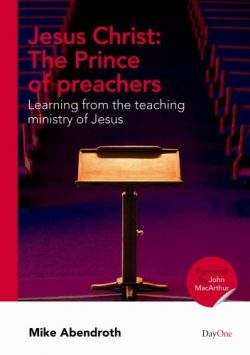
Jesus Christ: The Prince of preachers
This work points preachers to learn directly from the preaching ministry of Jesus Christ. It is excellent material for those committed to expository preaching.
“The pulpit lies at the heart of the church.” — Abendroth
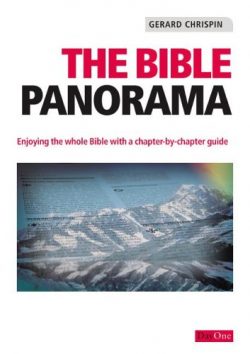
Bible Panorama
Part One: A work surveying the scenery of Scripture: Each chapter of each book of the Bible plainly summarised and explained;
Part Two: Enjoying the unhindered view with confidence including Practical topics about the Bible to help you trust and read it. Chapters on why the bible is trustworthy, how to read all of the bible, bible reading schemes, etc.
The Expository Notes of Dr. Thomas L. Constable
These Bible Study Notes, written by Dr. Thomas L. Constable over a 25-year period, provide commentary on all 66 books of the Bible, and hold about 7,000 pages of material. Dr. Constable’s Notes, also known as expository notes to Dr. Constable’s seminary students, are intended to help you to better understand the Bible.
In addition to the verse-by-verse explanations of the entire Bible, extra resources include historical background, scope, purpose, theology, and outline information on the individual books. Thousands of footnote references are a helpful source for further, more in-depth study.